
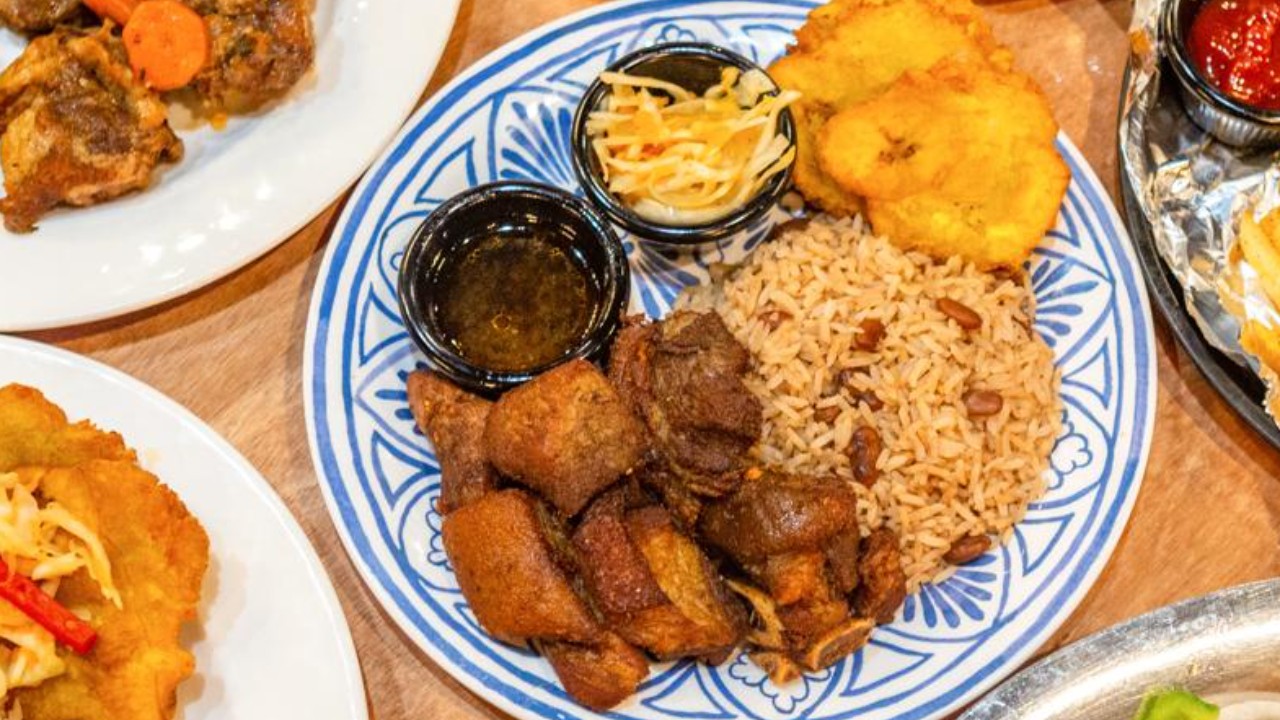
What Makes Creole Cuisine Unique?
When people hear the words Creole cuisine, they often think of spicy dishes, rich stews, and vibrant flavors. But Creole cuisine is much more than a style of cooking—it is a reflection of history, resilience, and cultural identity.
Across Haiti, Guadeloupe, Martinique, Dominica, Saint Lucia, Réunion, Mauritius, Seychelles, Louisiana, and other Creole-speaking communities, food tells the story of generations who blended traditions from Africa, Europe, the Caribbean, Asia, and Indigenous peoples into something entirely their own.
Every meal is a celebration of heritage, family, and community.
A Cuisine Born From Many Cultures
Creole cuisine emerged through centuries of cultural exchange.
African cooking traditions introduced ingredients such as okra, yams, black-eyed peas, and techniques for seasoning meats and stews.
European settlers contributed methods like braising, baking, and sauce-making while introducing ingredients including onions, garlic, butter, and wheat flour.
The Indigenous peoples of the Caribbean shared knowledge of cassava, maize, sweet potatoes, peppers, seafood, and tropical fruits long before European arrival.
Later influences from India, China, the Middle East, and other immigrant communities added new spices, cooking methods, and recipes that became part of the Creole culinary identity.
Rather than replacing one another, these influences blended together, creating cuisines that are familiar yet distinct from island to island.
The Importance of Seasoning
One of the defining characteristics of Creole cooking is the careful layering of flavors.
Instead of relying solely on heat, cooks build complexity using fresh herbs, aromatic vegetables, citrus, and carefully balanced spices.
Many households prepare their own seasoning blends that are passed down through generations.
Common ingredients include:
- Garlic
- Green onions
- Thyme
- Parsley
- Scotch bonnet peppers
- Bell peppers
- Onions
- Citrus juice
- Black pepper
- Cloves
These combinations create the bold aromas that define many traditional Creole dishes.
Fresh Ingredients Matter
Creole cuisine celebrates local agriculture and fresh produce.
Depending on the region, common ingredients include:
- Plantains
- Breadfruit
- Cassava
- Malanga
- Sweet potatoes
- Coconut
- Mangoes
- Avocados
- Pigeon peas
- Djon djon mushrooms
- Fresh seafood
- Tropical herbs
Because many communities developed near the sea, fish, lobster, conch, crab, shrimp, and other seafood often play an important role in traditional meals.
Every Region Has Its Own Identity
Although all Creole cuisines share historical roots, every region has developed its own specialties.
Haiti is known for dishes such as Griot, Soup Joumou, Legim, Tassot, Pikliz, and Diri Djon Djon.
Martinique and Guadeloupe are celebrated for Colombo, Accras, Boudin Créole, and seafood prepared with local spices.
Louisiana features Gumbo, Jambalaya, Crawfish Étouffée, and Red Beans and Rice.
Réunion and Mauritius combine African, French, Indian, Chinese, and Malagasy influences to produce unique curries, rougails, and seafood dishes.
Despite these regional differences, the emphasis on bold seasoning, fresh ingredients, and communal dining remains remarkably consistent.
More Than Food
In Creole culture, food is rarely just nourishment.
Meals bring together grandparents, parents, children, neighbors, and friends around one table.
Many recipes are prepared only during holidays, weddings, baptisms, religious celebrations, or important family gatherings.
Cooking itself often becomes a social activity where recipes are shared orally and techniques are learned through observation rather than written instructions.
This passing of knowledge from one generation to the next helps preserve cultural identity.
Creole Cuisine Around the World
Today, millions of people continue to prepare Creole dishes far from their ancestral homelands.
Large communities in Canada, the United States, France, the United Kingdom, and other countries have introduced Creole cuisine to new audiences while preserving family traditions.
Restaurants, festivals, food trucks, and home kitchens continue to celebrate these flavors and keep the culture alive.
Why Creole Cuisine Continues to Grow
Interest in authentic regional foods has never been greater.
Travelers seek traditional experiences, chefs embrace heritage cooking, and younger generations are rediscovering family recipes that might otherwise have been lost.
Creole cuisine represents authenticity, diversity, and resilience—qualities that continue to inspire food lovers around the world.
Did You Know?
- Creole cuisine varies significantly from one country to another while sharing common historical roots.
- Many traditional recipes have been passed down orally for generations.
- Fresh herbs and homemade seasoning blends are often considered the secret behind authentic Creole flavors.
- Food remains one of the strongest ways Creole communities preserve their cultural identity worldwide.