
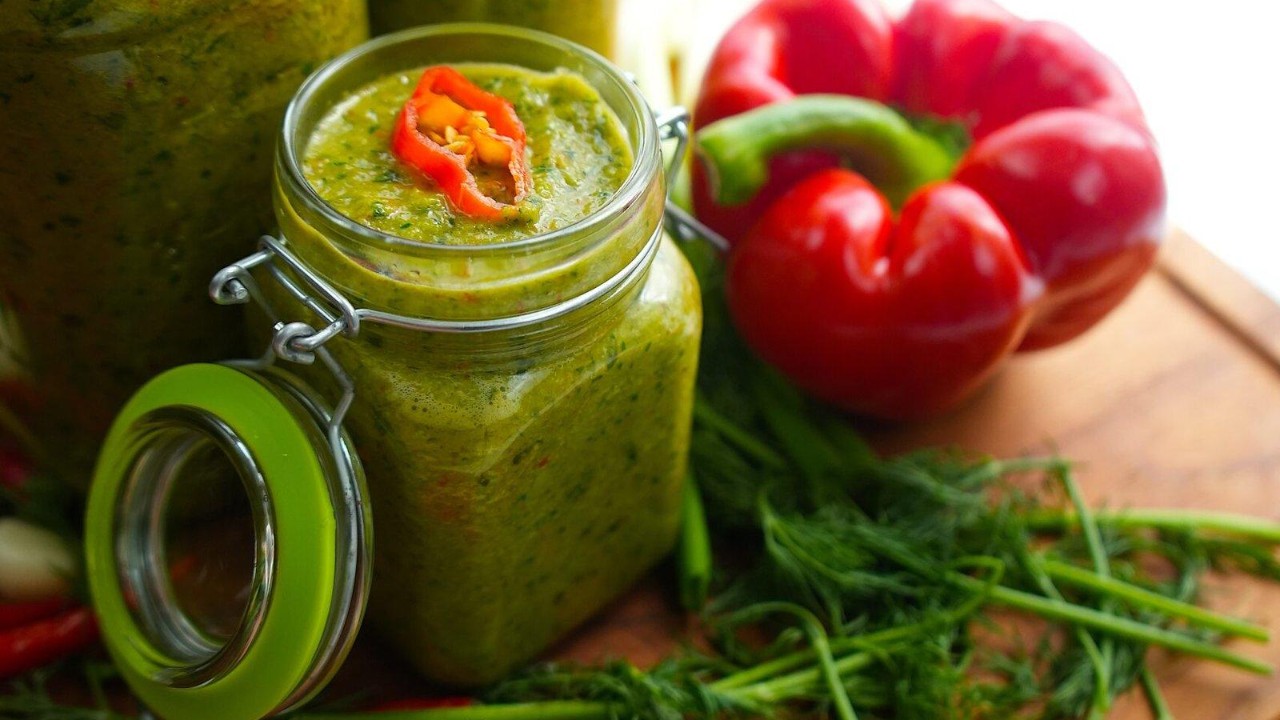
The Secret Behind Haitian Epis Seasoning
If there is one ingredient that captures the essence of Haitian cooking, it is Epis. Pronounced eh-peace, this vibrant green seasoning blend is the heart of Haitian cuisine. From Griot and Tassot to Legim, stews, seafood, soups, and rice dishes, Epis provides the unmistakable aroma and depth of flavor that make Haitian food so distinctive.
While recipes vary from one household to another, every Haitian cook agrees on one thing: a great meal begins with great Epis.
What Is Epis?
Epis is a fresh seasoning paste made by blending herbs, vegetables, spices, citrus, and oil into a smooth or slightly chunky mixture. Unlike dry spice mixes, Epis is prepared with fresh ingredients that create layers of flavor and aroma.
It is used to marinate meats, season seafood, flavor vegetables, and enrich soups and sauces. Many families prepare large batches and refrigerate or freeze portions so they always have Epis ready for everyday cooking.
Rather than being a single recipe, Epis is a culinary tradition passed down through generations.
The History of Epis
The origins of Epis reflect Haiti's rich cultural heritage.
African ancestors brought a deep knowledge of seasoning meats with herbs and aromatic ingredients. French culinary traditions introduced techniques for building flavor with onions, garlic, and herbs, while the Caribbean's tropical climate provided an abundance of fresh peppers, citrus, and fragrant plants.
Over time, Haitian cooks blended these influences into a seasoning that became essential in nearly every kitchen.
Today, Epis remains one of the strongest expressions of Haitian culinary identity.
Common Ingredients
Although every family has its own version, traditional Epis often includes:
- Garlic
- Green onions (scallions)
- Parsley
- Thyme
- Bell peppers
- Onions
- Scotch bonnet or habanero peppers
- Cloves
- Black pepper
- Lime or sour orange juice
- Olive oil or vegetable oil
Some cooks also add celery, cilantro, basil, shallots, or vinegar, creating unique family recipes with subtle differences in flavor.
Why Every Family's Epis Is Different
Ask ten Haitian cooks for their Epis recipe, and you will likely receive ten different answers.
Some prefer a stronger garlic flavor, while others emphasize fresh herbs or citrus. Some recipes are mild enough for everyday meals, while others include fiery Scotch bonnet peppers for extra heat.
These variations are part of what makes Haitian cooking so personal. Family recipes are often handed down through generations, becoming cherished traditions that reflect regional tastes and family history.
How Epis Is Used
Epis is incredibly versatile and can be used throughout the cooking process.
It is commonly added to:
- Griot
- Tassot
- Legim
- Soup Joumou
- Bouillon
- Diri Djon Djon
- Fried fish
- Chicken
- Goat
- Seafood
- Beans
- Vegetable stews
Many cooks also stir a spoonful of Epis into sauces or soups just before serving to add a fresh burst of flavor.
More Than a Seasoning
In Haitian homes, making Epis is often a family tradition.
Preparing fresh herbs, peeling garlic, chopping vegetables, and blending ingredients together can become a shared activity before holidays or large family gatherings. The aroma that fills the kitchen signals that something special is about to be served.
For Haitians living abroad, preparing Epis is also a way to stay connected to home. A single jar in the refrigerator carries familiar flavors that evoke memories of family meals and celebrations.
Tips for Making Great Epis
To create a balanced Epis:
- Use fresh herbs whenever possible.
- Adjust the amount of hot pepper to your preferred spice level.
- Blend until smooth for marinades or leave slightly textured for rustic dishes.
- Store refrigerated in an airtight container for several days or freeze portions for longer storage.
- Taste and adjust citrus, herbs, and seasoning before using.
Because there is no single "correct" recipe, experimentation is encouraged while respecting traditional flavors.
Traditional Culinary Notes
Traditional Haitian cookbooks describe seasoning blends made with fresh herbs, garlic, peppers, onions, citrus, and spices to flavor meats and poultry before cooking. While the exact ingredient list varies by household, the practice of thoroughly seasoning food before cooking is a defining characteristic of Haitian cuisine and remains central to authentic preparation methods.
Fun Facts
- The word Epis comes from the French word épices, meaning "spices."
- Almost every Haitian household has its own signature version.
- Epis is often prepared in large batches to save time during the week.
- Its bright green color comes from fresh herbs and vegetables rather than artificial ingredients.
- Many Haitian cooks consider Epis the single most important ingredient in their kitchen.
Frequently Asked Questions
Is Epis spicy?
It depends on the recipe. Some versions are mild, while others include Scotch bonnet peppers for significant heat.
How long does Epis last?
Fresh Epis generally keeps for about one week in the refrigerator when stored properly. Many families freeze small portions to preserve freshness for several months.
Can Epis be used outside Haitian cooking?
Absolutely. Epis works well as a marinade or seasoning for chicken, beef, pork, seafood, roasted vegetables, rice, soups, and grilled dishes from many different cuisines.
Why Epis Matters
Epis is more than a seasoning—it is the foundation of Haitian cooking and a symbol of culinary heritage. Its vibrant blend of herbs, vegetables, and spices transforms simple ingredients into memorable meals while preserving traditions that have been shared across generations.
Whether you're preparing a festive holiday feast or a simple weeknight dinner, a spoonful of Epis brings the authentic taste and spirit of Haiti to the table.
Related Articles
- The History of Haitian Griot
- The Story Behind Haitian Pikliz
- Why Soup Joumou Is a UNESCO Heritage Dish
- How to Make Traditional Diri Djon Djon