
The Story Behind Haitian Pikliz
Every great cuisine has a signature condiment that brings its dishes to life. In Haiti, that condiment is Pikliz.
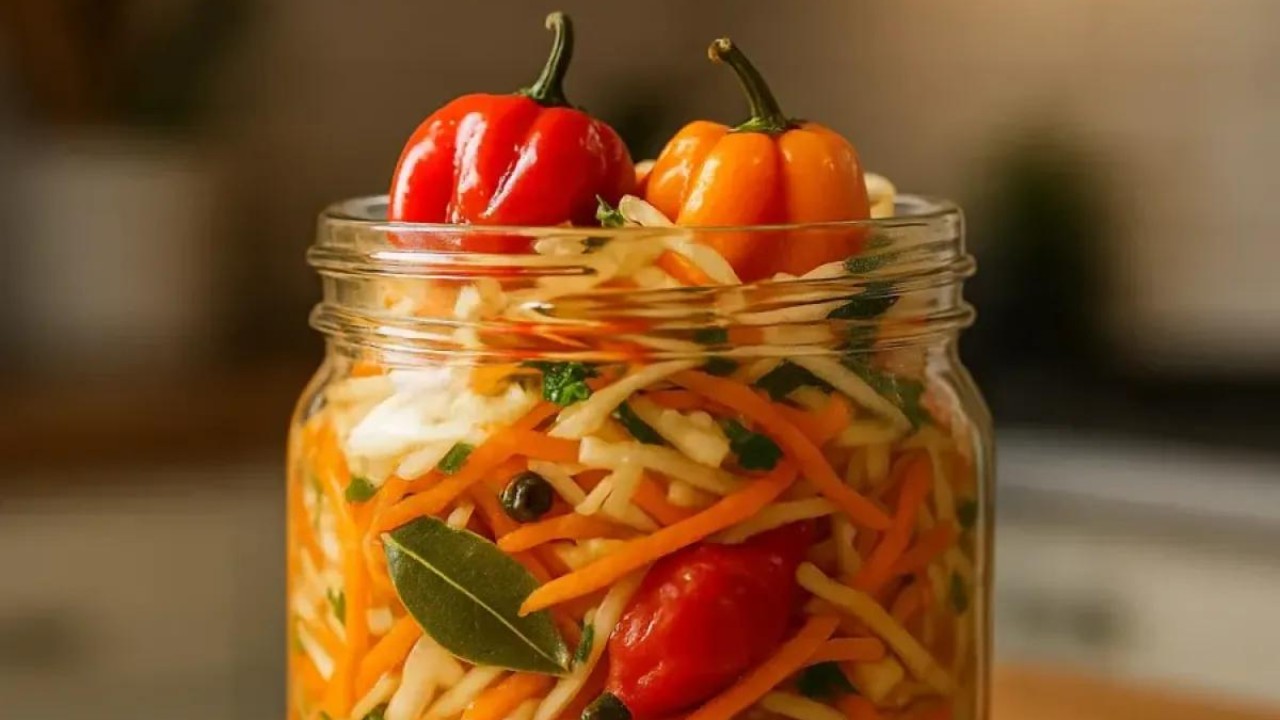
Made from finely shredded cabbage, carrots, onions, Scotch bonnet peppers, and vinegar, Pikliz is famous for its crunchy texture, vibrant color, and fiery kick. More than a side dish, it is an essential part of Haitian cuisine, adding brightness, acidity, and spice to many traditional meals.
Whether served with Griot, fried fish, Tassot, or fried plantains, Pikliz has become one of Haiti's most recognizable culinary traditions.
What Is Pikliz?
Pikliz is a spicy pickled vegetable relish prepared by combining fresh vegetables with vinegar and hot peppers. Unlike creamy coleslaws or sweet relishes, Pikliz delivers a bold balance of heat, acidity, and crunch.
Its purpose is not to overpower a dish but to enhance it by cutting through rich, savory flavors and adding freshness to every bite.
A small spoonful is often enough to completely transform a meal.
The Origins of Pikliz
The exact origins of Pikliz are difficult to pinpoint, but its preparation reflects Haiti's history of blending culinary traditions from Africa, Europe, and the Caribbean.
The French influence can be seen in the pickling technique, while the use of fiery peppers and fresh vegetables reflects the abundance of local Caribbean ingredients. Over generations, Haitian cooks refined the recipe into the version enjoyed today.
Although similar pickled vegetables exist in other cultures, Haitian Pikliz has developed its own distinctive identity through its combination of Scotch bonnet peppers, vinegar, and crisp vegetables.
Traditional Ingredients
Most authentic Pikliz recipes include:
- Green cabbage
- Carrots
- White onions
- Scotch bonnet peppers
- Vinegar
- Lime juice
- Salt
- Whole cloves
- Black pepper
Some family recipes also include:
- Bell peppers
- Shallots
- Garlic
- Thyme
- Celery seeds
Each household adjusts the level of heat and acidity according to personal preference.
Why Pikliz Is So Popular
Haitian cuisine often features richly seasoned meats and fried foods. Pikliz provides the perfect contrast.
Its bright acidity helps balance dishes such as:
- Griot
- Tassot
- Fried fish
- Fried chicken
- Marinad
- Accras
- Banan Peze
- Mayi Moulen
The combination of crispy vegetables and spicy vinegar refreshes the palate between bites.
A Staple at Every Celebration
Pikliz is present at nearly every Haitian gathering.
Whether celebrating:
- Weddings
- Birthdays
- Christmas
- Easter
- New Year's Day
- Baptisms
- Family reunions
a jar of homemade Pikliz is almost always found on the table.
Many Haitian families prepare large batches before major holidays, allowing the vegetables time to absorb the flavors of the vinegar and peppers.
The Secret to Great Pikliz
Excellent Pikliz is all about balance.
The vegetables should remain crisp while the vinegar softens their sharpness over time.
The peppers provide heat, but the acidity and freshness should remain equally noticeable.
Many Haitian cooks believe Pikliz tastes even better after resting for several days, allowing the flavors to fully develop.
More Than a Condiment
For Haitians living abroad, Pikliz is often one of the easiest traditions to preserve.
Because it stores well in the refrigerator, many families prepare jars that last for weeks, ensuring that every meal carries a familiar taste of home.
Sharing homemade Pikliz is also a gesture of hospitality, with family recipes often passed down from one generation to the next.
Traditional Preparation
Traditional Haitian culinary references describe Pikliz as finely shredded cabbage, carrots, onions, and hot peppers preserved in vinegar with seasonings. After combining the ingredients, the mixture is left to rest so the vegetables absorb the flavors, creating the crisp, tangy condiment that accompanies many Haitian meals.
Health Benefits
Pikliz offers several nutritional advantages:
- Rich in Vitamin C from cabbage and peppers.
- Provides dietary fiber.
- Naturally low in calories.
- Adds flavor without heavy sauces.
- Pickled vegetables may contribute beneficial compounds when enjoyed as part of a balanced diet.
Because of its high acidity and spice level, it is typically served in small portions.
Fun Facts
- The word Pikliz comes from the French word pickles.
- Every Haitian family has its own recipe.
- Homemade Pikliz often tastes better after several days of marinating.
- The hotter the Scotch bonnet peppers, the more intense the flavor.
- Many Haitians joke that a meal without Pikliz feels incomplete.
Frequently Asked Questions
Is Pikliz extremely spicy?
Traditional Pikliz can be very spicy because it often contains Scotch bonnet peppers. However, the amount of pepper can be adjusted to suit different tastes.
How long does Pikliz last?
When stored in a clean, airtight container in the refrigerator, Pikliz can remain fresh for several weeks. The flavor often becomes more developed after a few days.
What foods pair best with Pikliz?
Pikliz pairs especially well with Griot, Tassot, fried fish, fried chicken, grilled meats, rice dishes, and fried plantains.
Why Pikliz Matters
Pikliz is much more than a condiment—it is an essential part of Haitian culinary identity. Its vibrant colors, bold flavors, and unmistakable crunch bring life to traditional meals while reflecting the creativity and resourcefulness of Haitian cooking.
Whether served at a neighborhood gathering in Port-au-Prince or at a family celebration in Montreal, Miami, Paris, or New York, Pikliz continues to unite generations through one simple idea: that great food is even better when shared.