
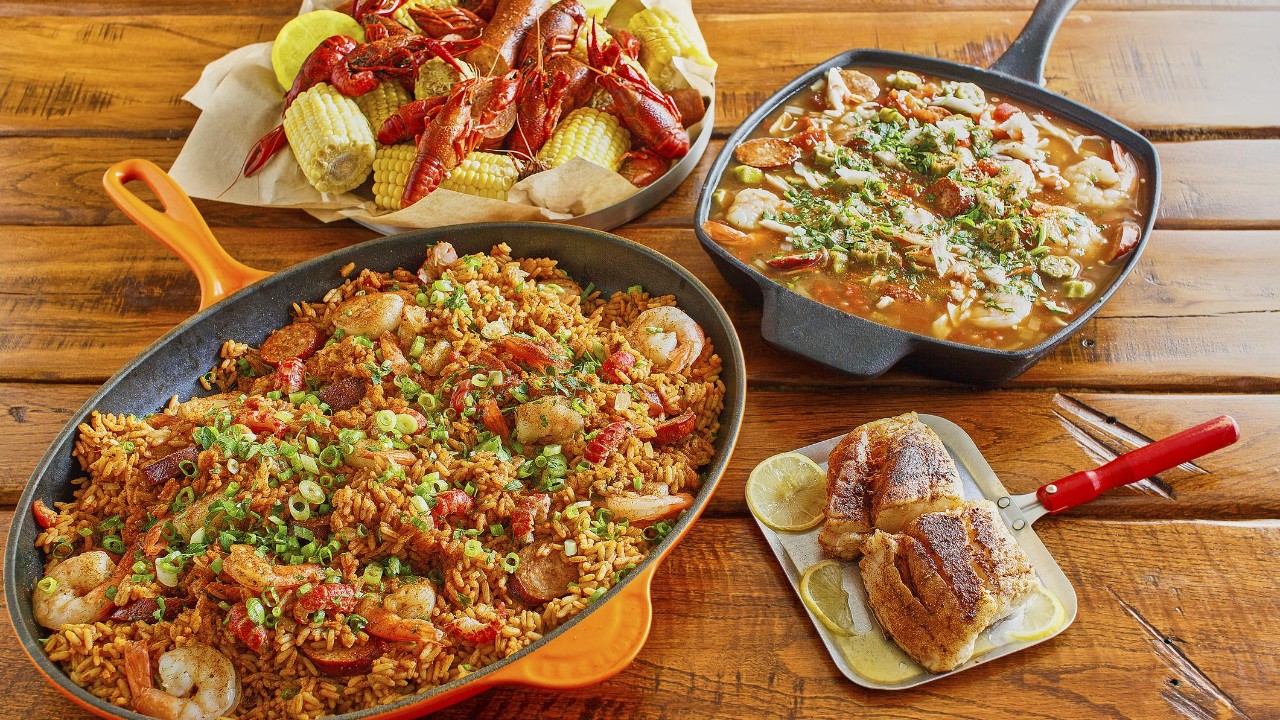
The Difference Between Cajun and Creole Cooking
Few cuisines are as closely connected—or as frequently confused—as Cajun and Creole cooking. Both originated in Louisiana, share a love of bold flavors, and have influenced food around the world. Yet each has its own history, cultural roots, and culinary identity.
Understanding the difference between Cajun and Creole cuisine reveals a fascinating story of migration, resilience, and cultural exchange.
What Is Creole Cuisine?
Creole cuisine developed in New Orleans and other urban areas of colonial Louisiana. It emerged from a rich blend of cultures, including French, Spanish, African, Caribbean, German, Italian, and Native American influences.
Often referred to as a "city cuisine," Creole cooking benefited from access to diverse ingredients through ports and international trade. This allowed cooks to experiment with imported spices, fresh seafood, tomatoes, butter, cream, and herbs, creating dishes known for their complexity and elegance.
Classic Creole dishes include:
- Gumbo
- Shrimp Creole
- Red Beans and Rice
- Crawfish Étouffée
- Oysters Rockefeller
- Bananas Foster
- Bread Pudding
What Is Cajun Cuisine?
Cajun cuisine traces its roots to the Acadians, French settlers who were expelled from present-day Nova Scotia in the 18th century. After settling in the rural bayous and prairies of Louisiana, they adapted their cooking to the ingredients available in their new environment.
Often described as a "country cuisine," Cajun cooking is hearty, rustic, and resourceful. Families relied on local game, freshwater fish, crawfish, rice, and seasonal vegetables, making the most of what the land provided.
Popular Cajun dishes include:
- Jambalaya
- Boudin
- Crawfish Boil
- Dirty Rice
- Cracklins
- Smothered Pork Chops
- Chicken Fricassée
The Origins of Their Differences
Although both cuisines share French influences, their development followed different paths.
Creole cuisine evolved in cosmopolitan New Orleans, where access to imported ingredients encouraged sophisticated recipes.
Cajun cuisine, by contrast, developed in rural communities where practicality and simplicity shaped everyday cooking.
Over time, both cuisines borrowed from one another while maintaining their unique identities.
Ingredients That Set Them Apart
While many ingredients overlap, some are more closely associated with one cuisine than the other.
Common Creole Ingredients
- Tomatoes
- Butter
- Cream
- Shrimp
- Crab
- Oysters
- Fresh herbs
- Bell peppers
- Celery
- Onions
- Garlic
Common Cajun Ingredients
- Rice
- Sausage
- Crawfish
- Catfish
- Wild game
- Pork
- Chicken
- Smoked meats
- Fresh peppers
- Green onions
Both cuisines rely on the famous "Holy Trinity" of Louisiana cooking:
- Onion
- Celery
- Green bell pepper
This aromatic base forms the foundation of countless dishes.
Creole vs. Cajun Seasoning
Both cuisines are known for bold flavors, but neither is defined simply by extreme heat.
Creole seasoning tends to emphasize herbs such as thyme, oregano, parsley, basil, paprika, and garlic, creating balanced layers of flavor.
Cajun seasoning often features paprika, cayenne pepper, black pepper, garlic powder, onion powder, and other spices that create a bolder, smokier profile.
While many people assume Cajun food is always much spicier, the difference lies more in seasoning style than in heat alone.
Tomatoes: The Most Famous Difference
One of the easiest ways to distinguish the two cuisines is the use of tomatoes.
Many traditional Creole dishes include tomatoes, especially Shrimp Creole and certain sauces.
Traditional Cajun cooking generally uses tomatoes far less often, relying instead on rich stocks, roux, onions, peppers, and smoked meats for flavor.
Although modern recipes sometimes blur this distinction, it remains one of the most recognized differences.
Shared Culinary Traditions
Despite their differences, Cajun and Creole cuisines have much in common.
Both celebrate:
- Fresh local ingredients
- Family recipes
- Slow cooking
- Community gatherings
- Seafood
- Rice dishes
- Hospitality
Many recipes have evolved through generations, with each family proudly maintaining its own traditions.
Global Influence
Today, Cajun and Creole cuisine have become internationally recognized.
Restaurants around the world serve dishes inspired by Louisiana's culinary heritage, while chefs continue to reinterpret traditional recipes using modern techniques.
Food festivals, cooking shows, and cultural events have introduced millions of people to the unique flavors of both traditions.
Fun Facts
- The "Holy Trinity" of onion, celery, and green bell pepper is the foundation of many Cajun and Creole recipes.
- Gumbo exists in both Cajun and Creole versions.
- Jambalaya also has two traditional styles: Creole (red) and Cajun (brown).
- New Orleans is often considered the birthplace of Creole cuisine.
- Cajun cuisine developed primarily in the rural regions of southern Louisiana.
Frequently Asked Questions
Is Cajun food always spicy?
Not necessarily. Cajun cuisine focuses on bold seasoning rather than overwhelming heat. Many dishes are flavorful without being extremely spicy.
Is Creole food healthier than Cajun food?
Both cuisines can be part of a balanced diet. Creole cuisine often features seafood and vegetables, while Cajun cuisine emphasizes locally sourced meats, rice, and seasonal produce.
Can one dish be both Cajun and Creole?
Yes. Some dishes, such as Gumbo and Jambalaya, exist in both Cajun and Creole traditions. The ingredients and cooking methods vary depending on the recipe and region.
Why Both Traditions Matter
Cajun and Creole cooking represent two remarkable culinary traditions shaped by history, migration, and cultural exchange. While their origins differ, both celebrate family, community, and the creative use of local ingredients.
Understanding these distinctions allows us to appreciate the incredible diversity of Louisiana's food culture and the enduring influence these cuisines have had around the world.
Whether you're savoring a bowl of Creole Gumbo in New Orleans or enjoying a rustic Cajun Jambalaya in the Louisiana bayou, you're experiencing traditions that continue to inspire generations of cooks and food lovers.