
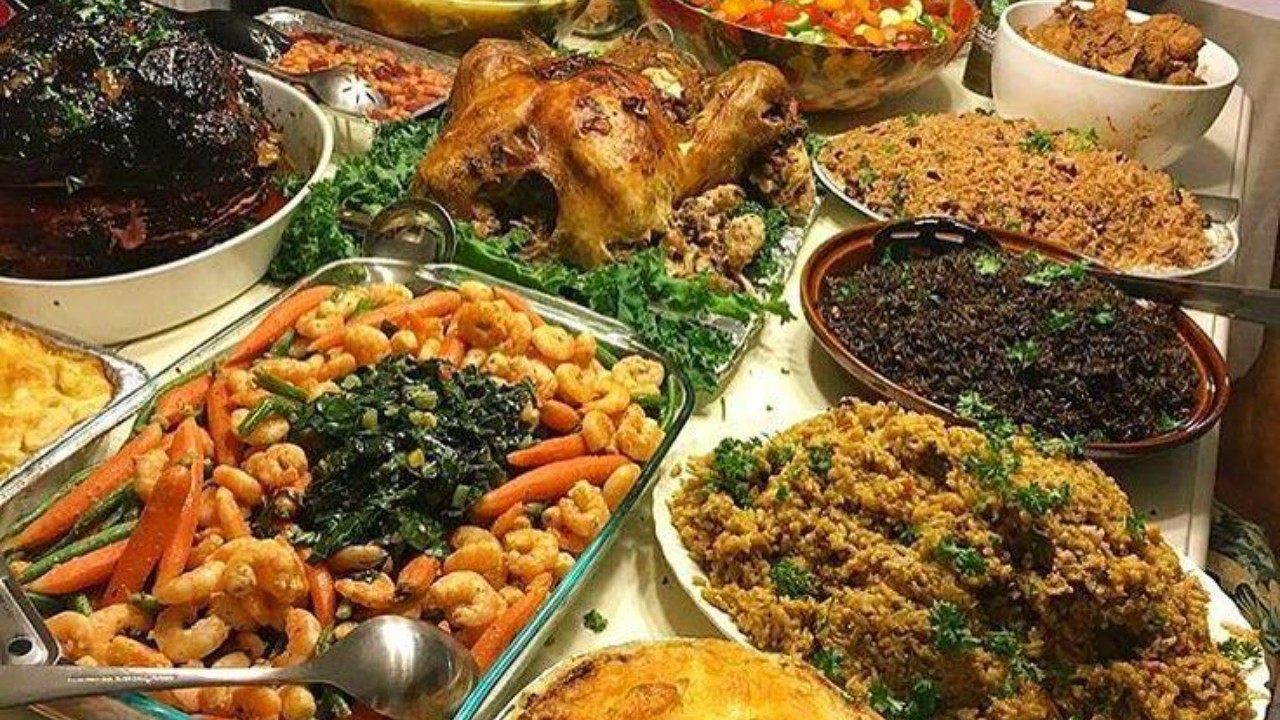
Traditional Holiday Meals in Creole Culture
Food has always been at the heart of Creole celebrations. Whether gathering around a family table in Haiti, celebrating Christmas in Martinique, enjoying Carnival in Guadeloupe, or sharing New Year's traditions in Louisiana, holiday meals create lasting memories and strengthen family bonds.
Many of these recipes have been passed down through generations, carrying stories of resilience, migration, and cultural pride. Every holiday offers an opportunity to reconnect with heritage through food.
New Year's Day – Haiti's Soup Joumou
No holiday meal is more symbolic in Haiti than Soup Joumou, served every January 1 to celebrate Haiti's independence.
This rich pumpkin soup is prepared with:
- Beef
- Caribbean pumpkin
- Potatoes
- Carrots
- Turnips
- Cabbage
- Pasta
- Fresh herbs
- Garlic
- Thyme
More than a meal, Soup Joumou commemorates Haiti's liberation in 1804 and is recognized by UNESCO as part of the Intangible Cultural Heritage of Humanity.
Families often wake before sunrise to prepare and share the soup with relatives, neighbors, and guests.
Christmas in Haiti
Christmas is one of Haiti's most anticipated celebrations.
Families spend days preparing large meals featuring some of the country's best-loved dishes.
A traditional Christmas table may include:
- Griot
- Diri Djon Djon
- Tassot
- Fried turkey or chicken
- Pikliz
- Pain Patate
- Tablette Coco
- Fresh fruit juices
- Cremas
Music, laughter, storytelling, and dancing often continue long after dinner has ended.
Easter Celebrations
During Easter, many Creole families prepare meals centered around fish and seafood.
Popular dishes include:
- Fried fish
- Court-bouillon
- Rice and beans
- Vegetable stews
- Plantains
- Fresh salads
Religious observances are frequently followed by large family gatherings where traditional recipes are shared.
Carnival Foods
Carnival is celebrated throughout many Creole communities with colorful parades, music, dancing, and delicious street food.
Popular Carnival treats include:
- Marinad
- Accras
- Pâté
- Fried plantains
- Grilled meats
- Fresh tropical juices
- Sugarcane drinks
Food vendors line the streets, serving freshly prepared specialties throughout the festivities.
Holiday Traditions in Martinique and Guadeloupe
Christmas in the French Caribbean often includes Chanté Nwèl, festive gatherings where families and friends sing traditional Christmas songs while sharing food.
Holiday menus frequently feature:
- Colombo
- Boudin Créole
- Accras de Morue
- Grilled seafood
- Rice dishes
- Coconut desserts
- Rum-based cakes
These celebrations blend French holiday customs with Caribbean flavors and hospitality.
Louisiana Holiday Traditions
Louisiana's Creole communities celebrate holidays with meals that combine French, Spanish, African, and Native American influences.
Holiday favorites include:
- Gumbo
- Jambalaya
- Crawfish Étouffée
- Shrimp Creole
- Cornbread
- Bread pudding
- Pecan pie
- Beignets
Large gatherings often continue throughout the day, with music and storytelling playing an important role.
Indian Ocean Creole Celebrations
In Mauritius and Réunion, holiday meals reflect centuries of cultural exchange.
Festive tables often feature:
- Curries
- Rougail
- Seafood
- Rice dishes
- Tropical fruits
- Coconut desserts
- Vanilla-flavored pastries
The blending of African, French, Indian, Chinese, and Malagasy traditions creates one of the world's most diverse holiday cuisines.
Desserts That Complete the Celebration
Holiday meals throughout the Creole world often conclude with beloved desserts such as:
- Pain Patate
- Blanc-Manger
- Coconut Tart
- Tablette Coco
- Bonbon Sirop
- Rum Cake
- Flan Coco
- Fresh tropical fruit
Coffee, tea, Cremas, and fruit punches are commonly served alongside dessert.
More Than Food
Holiday meals represent much more than recipes.
They celebrate:
- Family
- Faith
- Hospitality
- Gratitude
- Community
- Cultural identity
- Shared history
Many recipes are prepared only once or twice each year, making every holiday meal even more meaningful.
Children learn family traditions by helping in the kitchen, while grandparents preserve recipes that have been handed down for generations.
Traditional Holiday Cooking in Haiti
Traditional Haitian culinary references include festive dishes such as Soup Joumou, Griot, Diri Djon Djon, Pain Patate, and Cremas, all of which continue to play an important role during Christmas, New Year's celebrations, and family gatherings. These recipes reflect Haiti's rich culinary heritage and enduring traditions.
Fun Facts
- Haitians around the world prepare Soup Joumou on January 1 to celebrate independence.
- Chanté Nwèl combines music, food, and community during Christmas in Martinique and Guadeloupe.
- Many Creole holiday recipes are prepared only during special occasions.
- Family recipe books are treasured heirlooms in many Creole households.
- Holiday cooking often begins several days before the celebration.
Frequently Asked Questions
What is Haiti's most important holiday meal?
Soup Joumou, served on January 1, is Haiti's most symbolic holiday dish because it celebrates the nation's independence and freedom.
Are holiday meals similar throughout the Creole world?
While every region has unique dishes, they all emphasize fresh local ingredients, generous hospitality, and meals shared with family and friends.
Why are holiday recipes so important?
Many recipes are passed down through generations, preserving family traditions, cultural identity, and memories that connect people to their heritage.
Preserving Culture One Meal at a Time
Holiday meals are among the most cherished traditions in Creole culture. They bring families together, honor ancestors, and celebrate the rich diversity of Creole communities around the world.
Whether it's a steaming bowl of Soup Joumou in Port-au-Prince, a festive Chanté Nwèl dinner in Martinique, or a family Gumbo gathering in New Orleans, these meals remind us that food has the power to preserve history, strengthen relationships, and celebrate the cultures that make the Creole world so unique.