
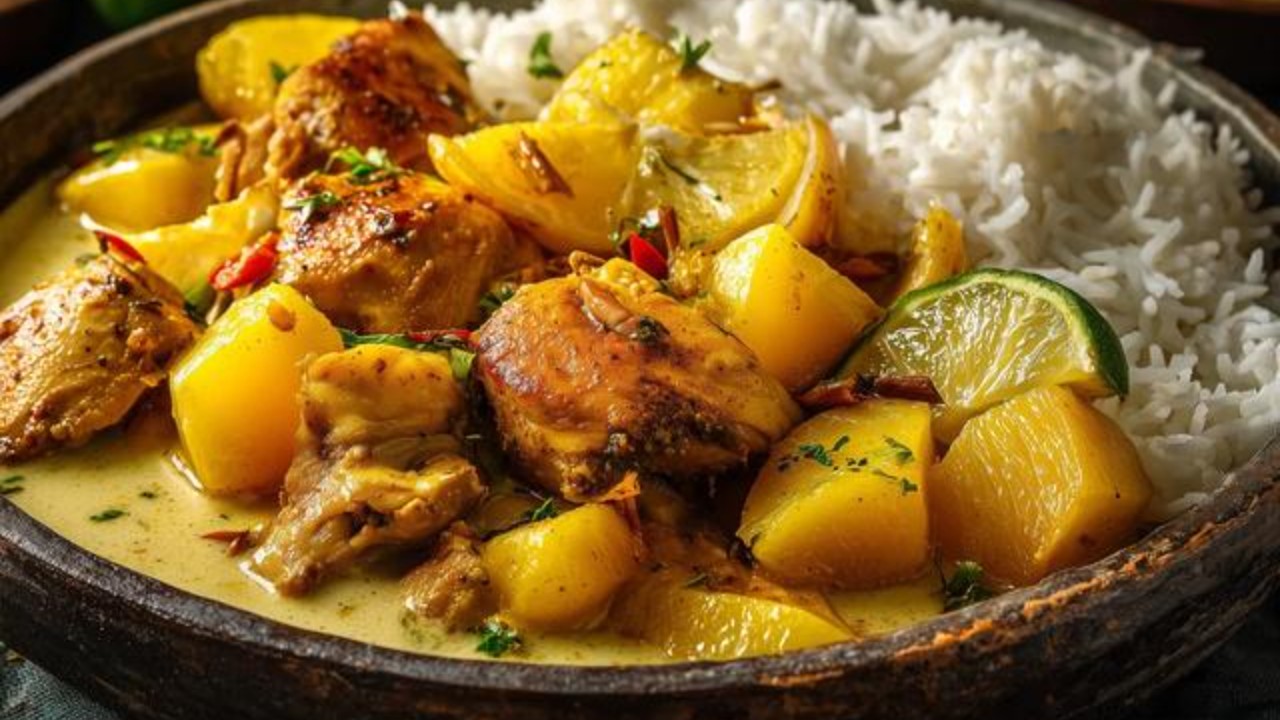
How Colombo Became a Caribbean Favorite
Among the many dishes that define Creole cuisine, Colombo stands out for its warm spices, vibrant flavors, and fascinating history. Popular in Martinique, Guadeloupe, Saint Lucia, and other parts of the French Caribbean, Colombo is a slow-cooked stew made with meat, seafood, or vegetables simmered in a fragrant spice blend.
Although often compared to curry, Colombo has developed its own unique identity through generations of Creole cooking. Today, it is celebrated as one of the Caribbean's most cherished comfort foods and a symbol of the region's multicultural heritage.
The Origins of Colombo
The story of Colombo begins in the 19th century.
After the abolition of slavery in the French Caribbean, workers from India, particularly from southern regions such as Tamil Nadu, arrived in islands like Martinique and Guadeloupe as indentured laborers. Along with their languages, customs, and religious traditions, they brought their culinary knowledge and aromatic spice blends.
As these communities settled into Caribbean life, Indian cooking techniques blended with local ingredients and French Creole traditions. Over time, the original spice mixtures evolved into what is now known as Colombo powder, creating a dish that was both familiar and uniquely Caribbean.
What Makes Colombo Different from Curry?
Although Colombo shares similarities with Indian curry, it has its own distinct personality.
Traditional Colombo seasoning often includes:
- Turmeric
- Coriander
- Cumin
- Mustard seeds
- Fenugreek
- Black pepper
- Garlic
- Fresh thyme
Unlike many curries, Colombo often incorporates Caribbean herbs, local vegetables, and citrus, producing a lighter, earthier flavor profile.
The result is a dish that reflects both Indian heritage and Creole creativity.
Traditional Ingredients
Colombo is incredibly versatile and can be prepared with a variety of ingredients.
Popular versions include:
- Chicken Colombo
- Goat Colombo
- Pork Colombo
- Lamb Colombo
- Fish Colombo
- Shrimp Colombo
- Vegetable Colombo
Common vegetables include:
- Eggplant
- Zucchini
- Chayote
- Potatoes
- Carrots
- Pumpkin
- Green beans
These ingredients slowly absorb the aromatic spices, creating a rich and satisfying stew.
How Colombo Is Traditionally Prepared
Authentic Colombo begins by marinating the meat or seafood with herbs, garlic, and spices.
The cooking process typically includes:
- Seasoning the protein with herbs and spices.
- Browning the meat or seafood.
- Sautéing onions, garlic, and fresh herbs.
- Adding Colombo spice blend and vegetables.
- Simmering slowly until the flavors fully develop.
The finished dish is commonly served with steamed white rice, rice and beans, or fresh bread.
A Family Favorite
Throughout the French Caribbean, Colombo is often prepared for:
- Sunday family lunches
- Weddings
- Community celebrations
- Religious festivals
- Holiday gatherings
Large pots of Colombo are frequently cooked outdoors during celebrations, bringing together friends, neighbors, and extended family.
Every household has its own version, with recipes proudly passed from one generation to the next.
Regional Variations
Although Martinique and Guadeloupe are most closely associated with Colombo, regional differences have developed over time.
Martinique
Martinican Colombo often features chicken or pork with root vegetables and aromatic herbs.
Guadeloupe
Guadeloupean recipes commonly include goat or seafood, with slightly bolder seasoning.
Saint Lucia
Local versions may incorporate additional tropical vegetables and island-grown herbs.
Across the region, cooks adapt Colombo to seasonal ingredients while preserving its unmistakable flavor.
Colombo Around the World
As Caribbean communities settled abroad, Colombo became popular in cities with large French Caribbean populations.
Today, it can be found in restaurants and homes across:
- France
- Canada
- United States
- United Kingdom
It has become one of the signature dishes representing French Caribbean cuisine on the international stage.
More Than a Meal
Colombo represents the blending of cultures that defines Creole identity.
It tells the story of migration, adaptation, and resilience, demonstrating how culinary traditions evolve while honoring their origins.
The dish reminds us that some of the world's greatest recipes are born from the meeting of different cultures.
Fun Facts
- Colombo powder takes its name from the dish itself rather than being a direct copy of Indian curry powder.
- Every family has its own preferred spice blend and cooking technique.
- Colombo is often prepared in large quantities for celebrations and community events.
- Vegetarian versions have become increasingly popular while preserving traditional flavors.
- It is considered one of the signature dishes of the French Caribbean.
Frequently Asked Questions
Is Colombo the same as curry?
No. While Colombo has Indian roots and shares similarities with curry, its spice blend, herbs, and preparation reflect the unique culinary traditions of the French Caribbean.
What meat is traditionally used?
Chicken and goat are among the most popular choices, although pork, lamb, seafood, and vegetables are also commonly used.
Is Colombo spicy?
Colombo is generally aromatic rather than very hot. Individual cooks may add fresh chili peppers to increase the heat according to personal taste.
Why Colombo Matters
Colombo is more than a flavorful stew—it is a celebration of the cultural diversity that has shaped the Caribbean. By blending Indian culinary traditions with French Creole techniques and local island ingredients, generations of cooks created a dish that is now deeply woven into the identity of the French Caribbean.
Whether enjoyed at a family gathering in Martinique, a beachside celebration in Guadeloupe, or a Caribbean restaurant abroad, Colombo continues to bring people together through its rich aromas, comforting flavors, and remarkable history.